
On the Pad:
Telycam PTZ Cameras Capture Long March 10B's Historic Debut Live
When Long March 10B lifted off from the Wenchang Space Launch Site on July 10, 2026, it carried more than its payload. The mission marked China's entry into the first tier of large-thrust, reusable launch technology — confirmed by the world's first successful net-based flexible booster recovery test, executed on the same flight. From ignition to recovery, every phase was broadcast live by the Wenchang International Space Science Camp, reaching audiences in real time as the milestone unfolded.
There are no second takes in launch broadcasting. The window is defined by the mission, and the mission waits for no one.
The Challenge
One Shot at a Target Moving at the Speed of Sound
A rocket launch is one of the most demanding environments a live camera system will ever face — and the difficulty compounds with every phase of flight.
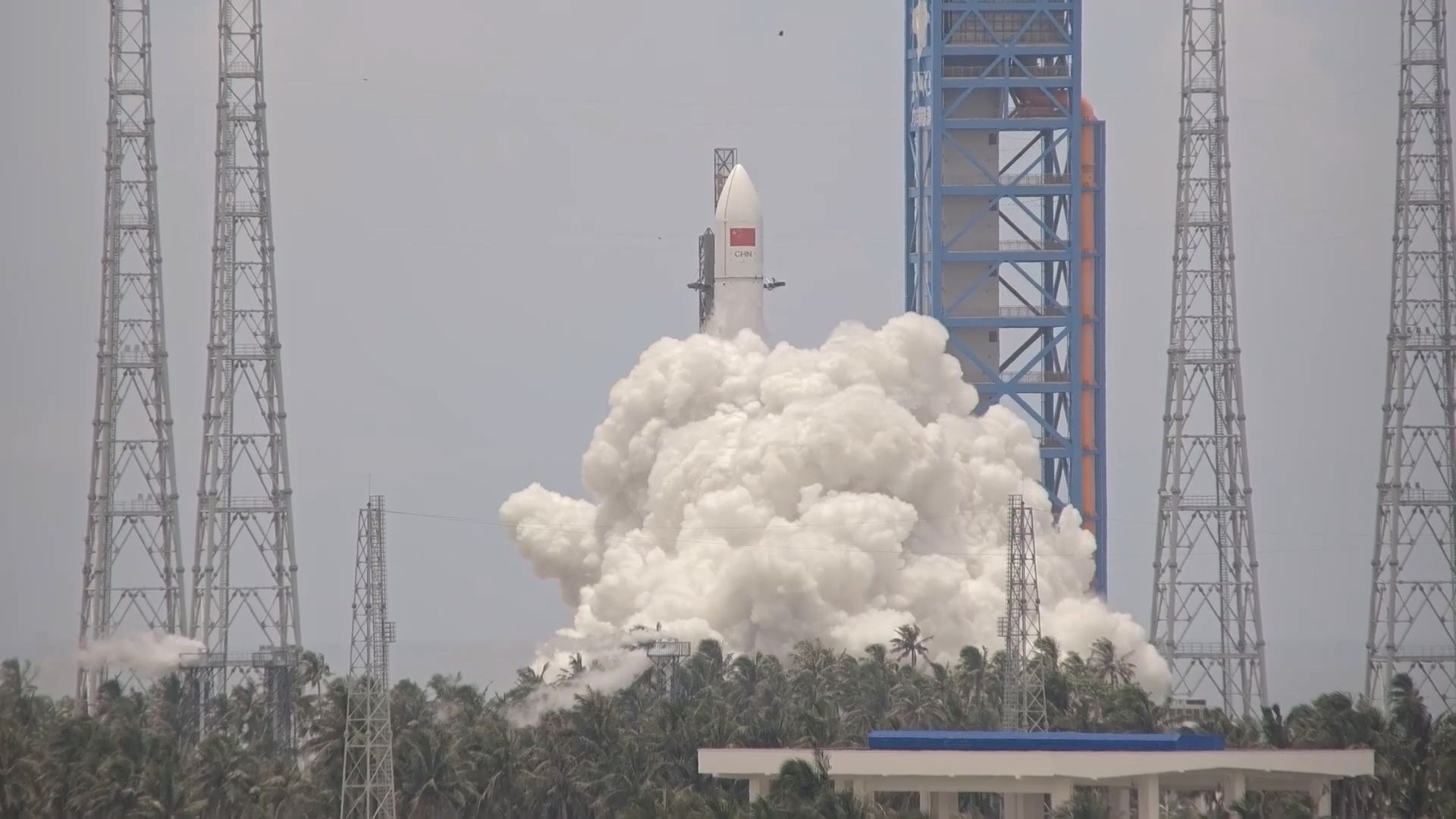
At ignition, the exhaust plume floods the scene with intense light and heat, while the acoustic energy shakes the ground hard enough to render conventional footage unusable. As the vehicle clears the pad, it accelerates rapidly through the lower atmosphere, demanding continuous tracking of a target that moves faster with every passing second. Higher up, the rocket disappears into cloud cover and continues toward stage separation — events that unfold at altitude, in compressed time, with no room for a focus miss or a tracking lag.
Throughout all of this, the feed was going out live. Every frame the cameras produced was already on its way to viewers before the next one was captured.
The Solution
Two Cameras, Two Roles
The Wenchang International Space Science Camp team deployed two Telycam PTZ cameras, each assigned a specific role across the launch profile.
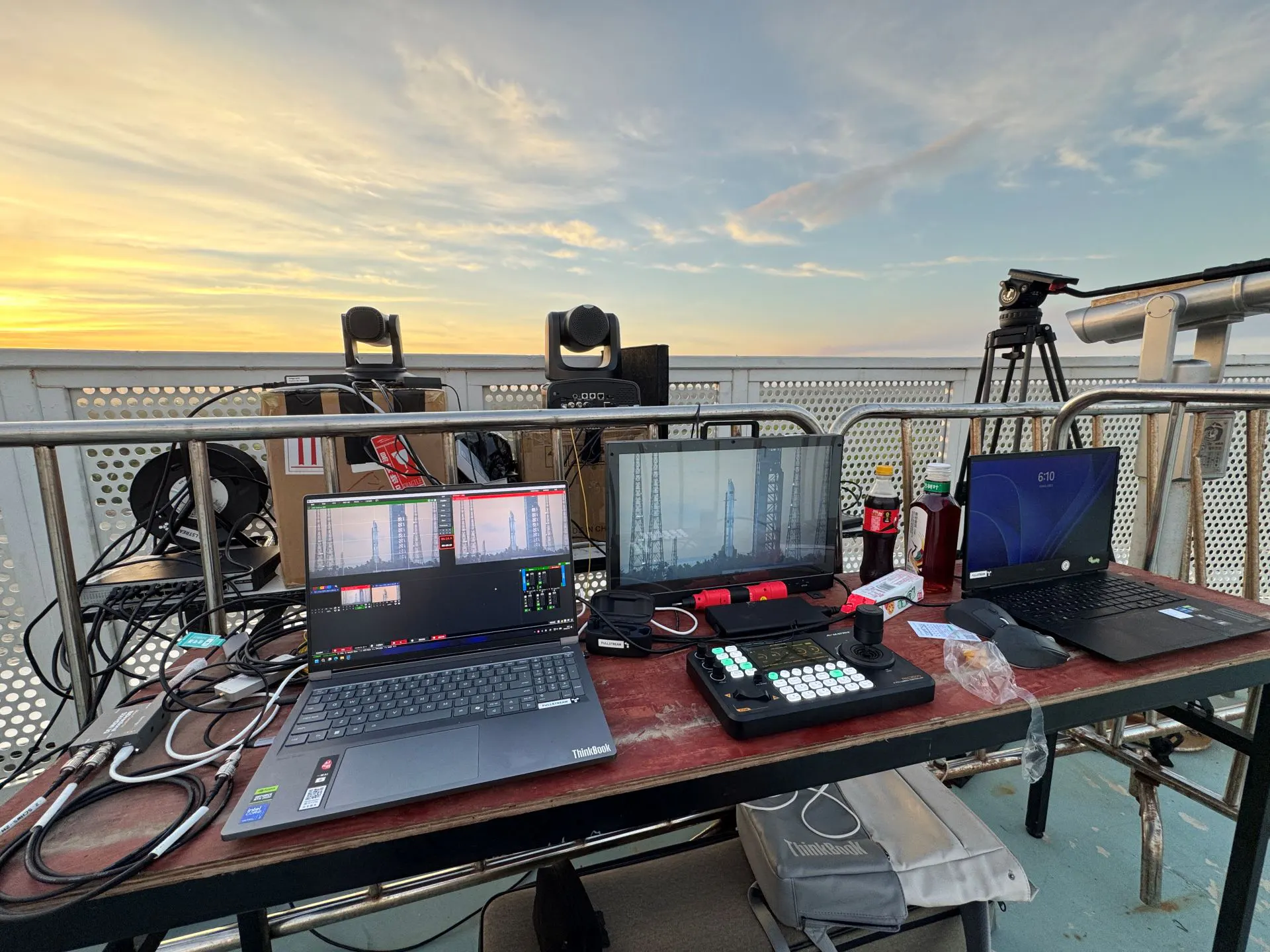

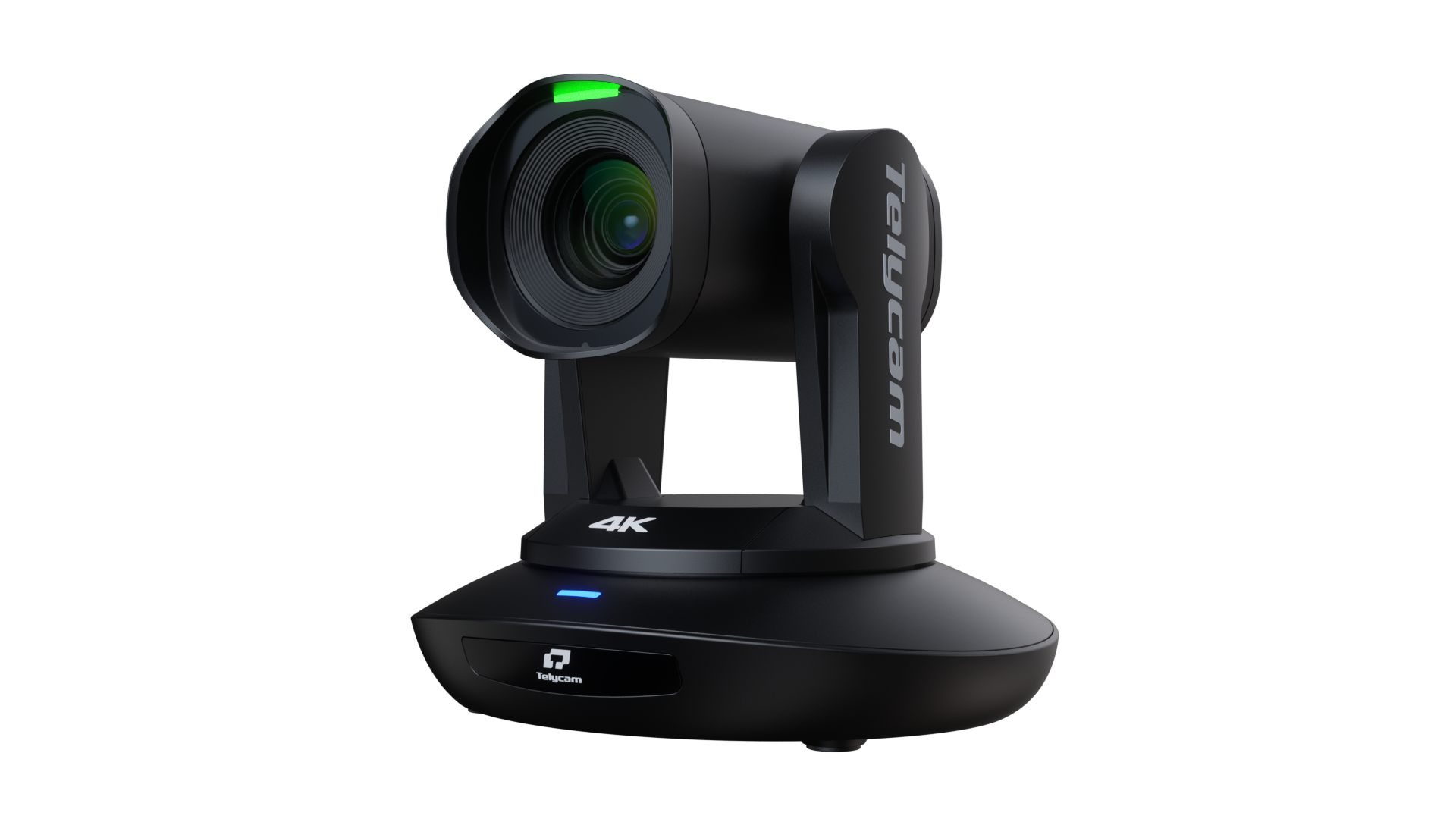
Telycam Explore served as the primary camera, covering the rocket from ignition through early ascent.
Mounted with a professional damping setup to absorb the shockwave at the pad, the Explore tracked the vehicle through the most turbulent and visually dramatic phase of the mission — the seconds immediately after ignition, when launch-pad vibration and extreme light transitions hit simultaneously. Its 20× optical zoom held a tight frame on the vehicle through the lower atmosphere, maintaining a sharp, stable image as the rocket accelerated off the pad.
Telycam Vision+ 4KN took over as the long glass for the upper flight phases, extending coverage through cloud layer penetration, fairing separation, and the recovery burn leading into the net-catch.
With 30× optical zoom, it sustained a usable frame on the vehicle at altitude — through the same flight phases where a shorter lens would have lost the subject entirely.
Live direction ran through vMix, with both camera feeds managed from a single switching position. The combined output gave the production team a continuous, multi-angle record of the mission — close-up drama at the pad from the Explore, and long-range trajectory coverage from the Vision+ 4KN — edited together in real time for broadcast.
The Results: Every Phase, Uninterrupted
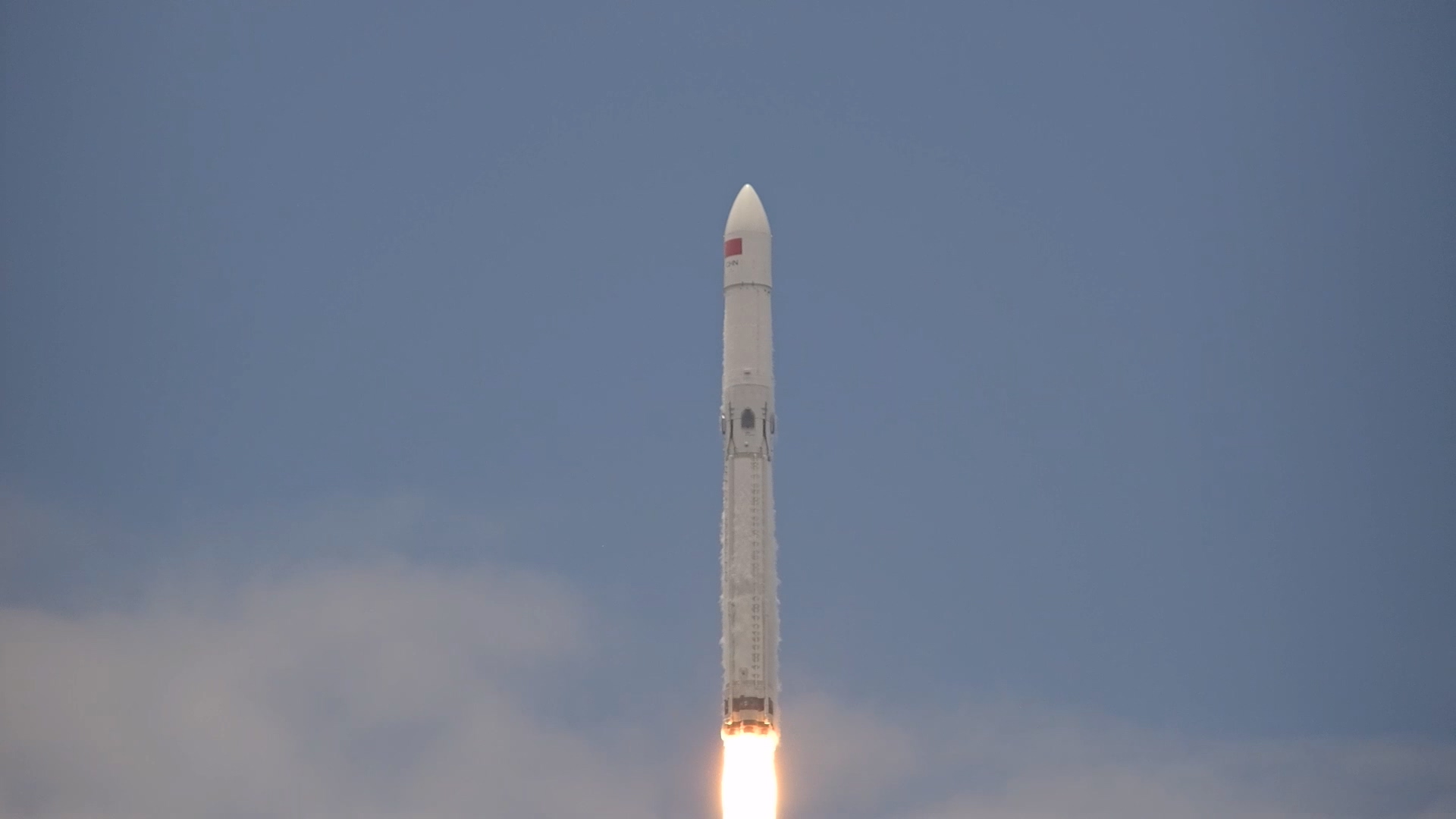
From ignition through booster recovery, the two-camera setup delivered continuous coverage without a single gap in the broadcast. The Explore held its tracking through the ignition shockwave and the rapid light transition of the exhaust plume. The Vision+ 4KN maintained a stable frame through the upper flight phases, capturing the cloud layer penetration and the approach to the recovery net — the sequence that made this particular mission a first in spaceflight history.
The live feed reached viewers without interruption across the full duration of the mission.
What the Team Said
"A launch broadcast is the one situation where you genuinely cannot afford to miss a moment — and you don't know exactly what the moment is going to look like until it's already happening. The Explore stayed locked on the rocket from the pad all the way up, and the Vision+ 4KN picked it up from there. We got the recovery on camera live. That's the shot everyone was there for, and we didn't miss it."
— Chen Wei, Broadcast Technical Lead, Wenchang International Space Science Camp
A Different Kind of Live Production
Most live broadcasts are defined by what happens inside a studio or a venue. Launch broadcasting is defined by what the rocket decides to do — and the camera system either keeps up or it doesn't.
The Long March 10B mission put that test to some of its most extreme conditions: ignition shockwave, rapid acceleration, cloud penetration, stage separation, and a world-first booster recovery, all in a single flight window. The Explore and Vision+ 4KN covered it from pad to recovery zone, live, without interruption.
For Telycam, it was one more zero-margin environment where the cameras simply had to perform — and did.